
A portable open-source operating system for agents. ~6 ms coldstarts, 32x cheaper than sandboxes. Powered by WebAssembly and V8 isolates.
 Pi
Pi Claude Code*
 Codex*
 OpenCode*
 Amp*
Amp*import { AgentOs } from "@agent-os/core";
const vm = await AgentOs.create();
// Create an agent session
const { sessionId } = await vm.createSession("pi");
// Stream events (tool calls, text output, etc.)
vm.onSessionEvent(sessionId, (event) => console.log(event));
// Send a prompt and wait for the response
await vm.prompt(sessionId, "Write a Python script that calculates pi");A new operating system architecture.
Built from the ground up for lightweight agents. Agent OS provides the flexibility of Linux with lower overhead than sandboxes.

WebAssembly + V8 Isolates
High-performance virtualization without specialized infrastructure. The same battle-hardened isolation technology that powers Google Chrome.
Battle-tested technology
You're probably using this technology right now to view this page. Bring the same power to your agents. No VMs, no containers, no overhead.
Performance benchmarks
Agent OS vs. traditional sandboxes. Booting an agent in a container takes a full process and hundreds of milliseconds; Agent OS starts one in a lightweight isolate in about 5 ms — and packs far more into the same memory.
 Agent OS — one shared process
Same host. Each container boots its own process before code can run; Agent OS runs every agent in one shared process — the first instruction executes in ~6 ms vs ~3,150 ms (516× faster). Toggle the percentile to compare median vs tail latency.
Why the gap: In-process isolates share the host's memory. Each additional execution only adds its own heap and stack. Sandboxes allocate a dedicated environment with a minimum memory reservation, even if the code inside uses far less.
Sandbox baseline: Daytona, the cheapest mainstream sandbox provider as of March 30, 2026. Default sandbox: 1 vCPU + 1 GiB RAM.
Agent OS: ~131 MB for a full Pi coding agent session with MCP servers and file system mounts.~131 MB
Sandboxes reserve idle RAM per agent; Agent OS isolates share the host.
$0.0084/hr server ÷ 4 executions = $0.00000058/s per execution-second
server price per second / concurrent executions per serverWhy it's cheaper: Each execution uses ~131 MB instead of a ~1024 MB sandbox minimum. And you run on your own hardware, which is significantly cheaper than per-second sandbox billing.
Sandbox baseline: Daytona, the cheapest mainstream sandbox provider as of March 30, 2026. Default sandbox: 1 vCPU + 1 GiB RAM at $0.0504/vCPU-h + $0.0162/GiB-h.
Agent OS: ~131 MB baseline per execution, assuming 70% utilization (industry-standard HPA scaling threshold). Select a hardware tier above to compare.$0.00000000/s
Assumes one agent per sandbox, needed for isolation.
Measured on Intel i7-12700KF. Cold start baseline: E2B, the fastest mainstream sandbox provider as of March 30, 2026. Cost baseline: Daytona, the cheapest mainstream sandbox provider as of March 30, 2026 (1 vCPU + 1 GiB default). Cost assumes 70% utilization on self-hosted hardware vs. per-second sandbox billing. Benchmark document
Everything routes through the harness.
The harness is the kernel of every agent session — brokering requests and responses between your tools and MCP resources, session state, the sandbox where code runs, and the orchestration layer that ties agents together. Each piece stays isolated, yet composable.
Meet your agent's new operating system.
Low overhead and cost.
No VMs to boot. No containers to pull. Start in milliseconds with minimal memory footprint.
Traditional sandboxes take seconds to spin up and consume hundreds of megabytes. Agent OS starts instantly and runs lean, so you can scale to thousands of agents without the cost. More details in benchmarks below.
Embed in your backend.
Your APIs. Your toolchains. No complex agent authentication needed. Just JavaScript functions or hooks.
Mount anything as a file system.
S3, SQLite, Google Drive, or the host file system. No per-agent credentials needed.
Agents think in files. Agent OS lets you expose any storage backend as a familiar directory tree. The host handles credential scoping, so agents never see API keys or secrets.
Granular security.
Fully configurable network and file system security. Control rate limits, bandwidth limits, and file system permissions. Set precise CPU and memory limitations per agent.
Your laptop, your infra, or on-prem.
Railway, Vercel, Kubernetes, and more. Deploy wherever your code already runs.
Agent OS is just an npm package. No vendor lock-in, no special infrastructure. Your agents run in your stack, on your terms.
Agents that just work.
Every agent deserves a runtime that understands it.
Infrastructure that disappears.
Deploy anywhere. Scale to anything. Forget about servers.
Orchestration without complexity.
Coordinate agents, humans, and systems out of the box.
Security without compromise.
The same isolation technology trusted by browsers worldwide.
Agent OS Registry
A marketplace for agent capabilities. Browse and install pre-built tools, integrations, file systems, databases, and sandboxes — one command away.













Pairs with Agent OS.
Agent OS is where agents live. Secure Exec is how you safely run the code they generate. Sandbox Agent SDK is how you control coding agents over HTTP. Rivet Actors is how you deploy and scale them as durable, stateful services.
Secure Exec
Secure Node.js execution without a sandbox.
- V8 isolates with bridged Node APIs
- npm-compatible: fs, child_process, http
- 176x faster cold start than containers
- Just `npm install` — no Docker, no VMs
Sandbox Agent SDK
Run coding agents in sandboxes. Control them over HTTP.
- One interface for Claude Code, Codex, OpenCode, Amp
- Streams events, handles permissions, manages sessions
- Replay, audit, and retain full transcripts
- Swap agents with a config change
Rivet Actors
Durable, stateful serverless for agents and realtime apps.
- Long-lived, in-memory state — no external database
- Built-in persistence, realtime, and workflow orchestration
- Deploy Agent OS sessions as durable actors
- Geo-distributed at the edge; scale to zero
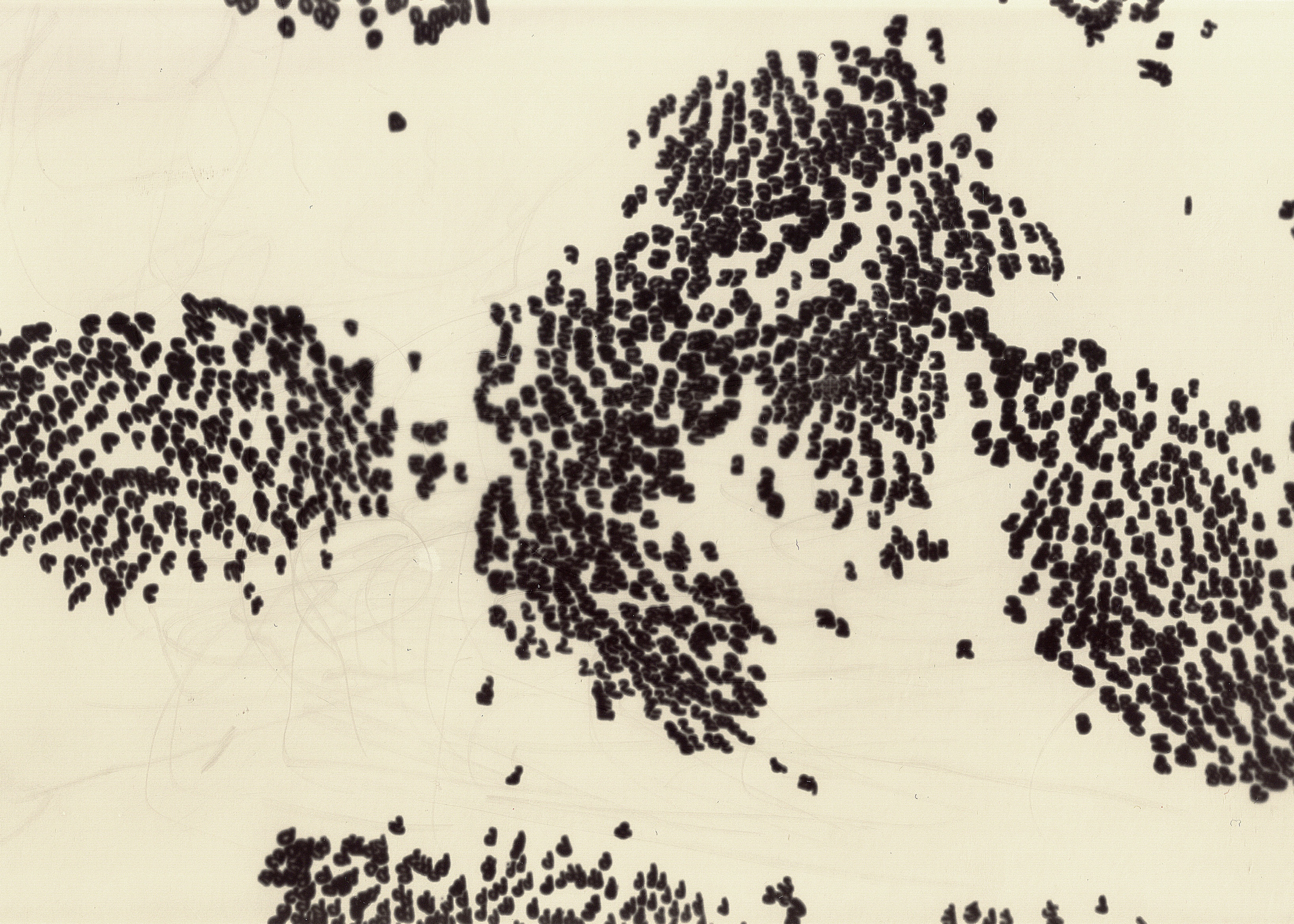
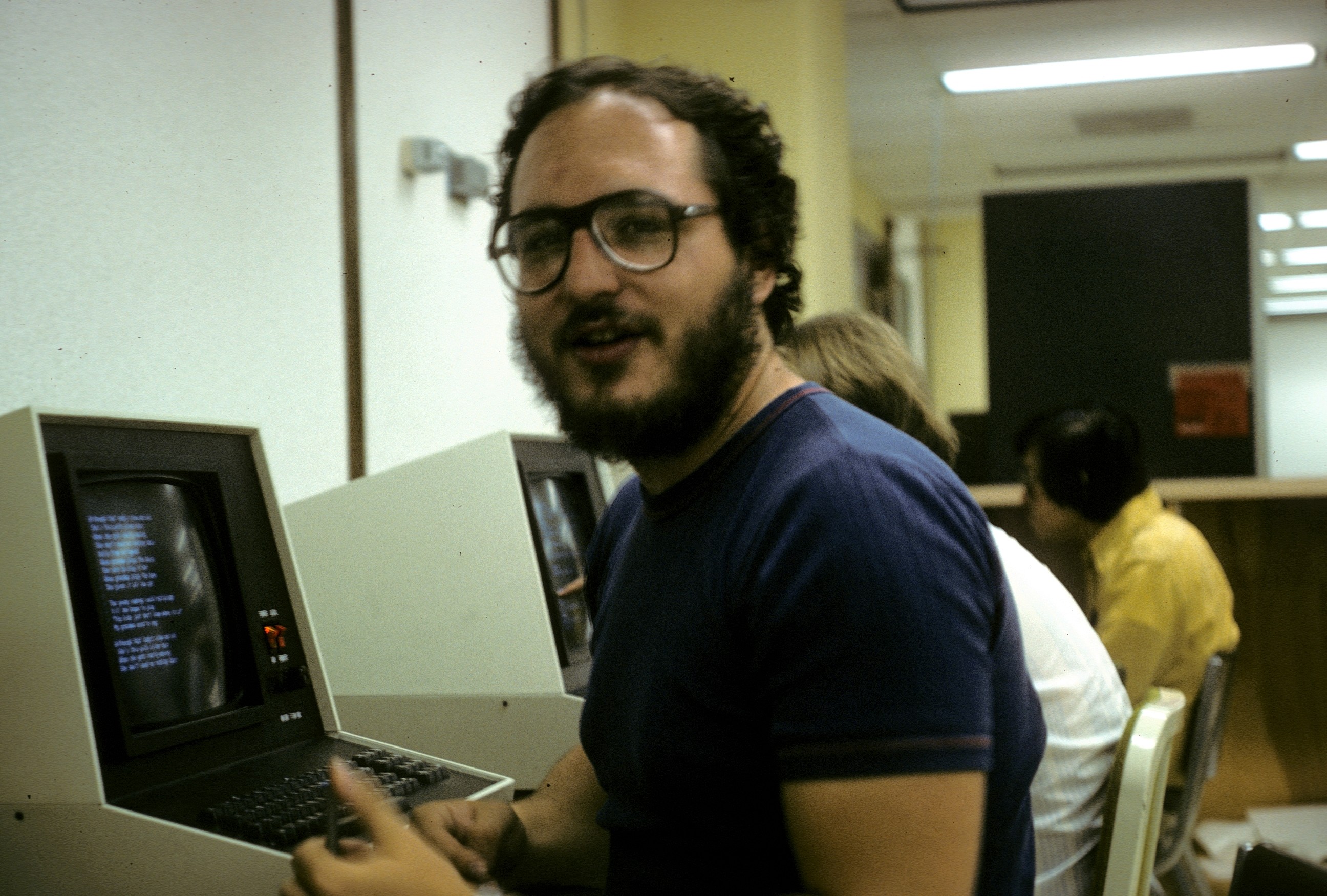
Left: Unix timesharing, UW-Madison, 1978. Right: "Data flock (digits)" by Philipp Schmitt, CC BY-SA 4.0
From humans to agents
The operating system is changing for the next generation of software operators.
Learn more